Like many other types of ecosystems, wetlands have had more-than-significant destruction and elimination over the past century. Where I live there was once a place called St Andrews Bog which covered some 116, 000 acres. It was nearly all drained, leaving only a small section of the south portion of Lake Winnipeg and, later, a conservation effort that culminated in the creation of Oak Hammock Marsh, which while beautiful, is it still only a small fraction of the original marsh. As with all extinctions and biome erasure, most people living here are not even aware this existed.
I have been lucky to grow up with what are known as “Class 3 Wetlands” in my backyard. These wetlands typically dry up in early summer, but right now, they are bursting with life, and the sounds of Boreal Chorus Frogs and Wood Frogs on a warm night are almost deafening. The water is teeming with tiny invertebrates, branchiopods…and a lot of frog eggs!
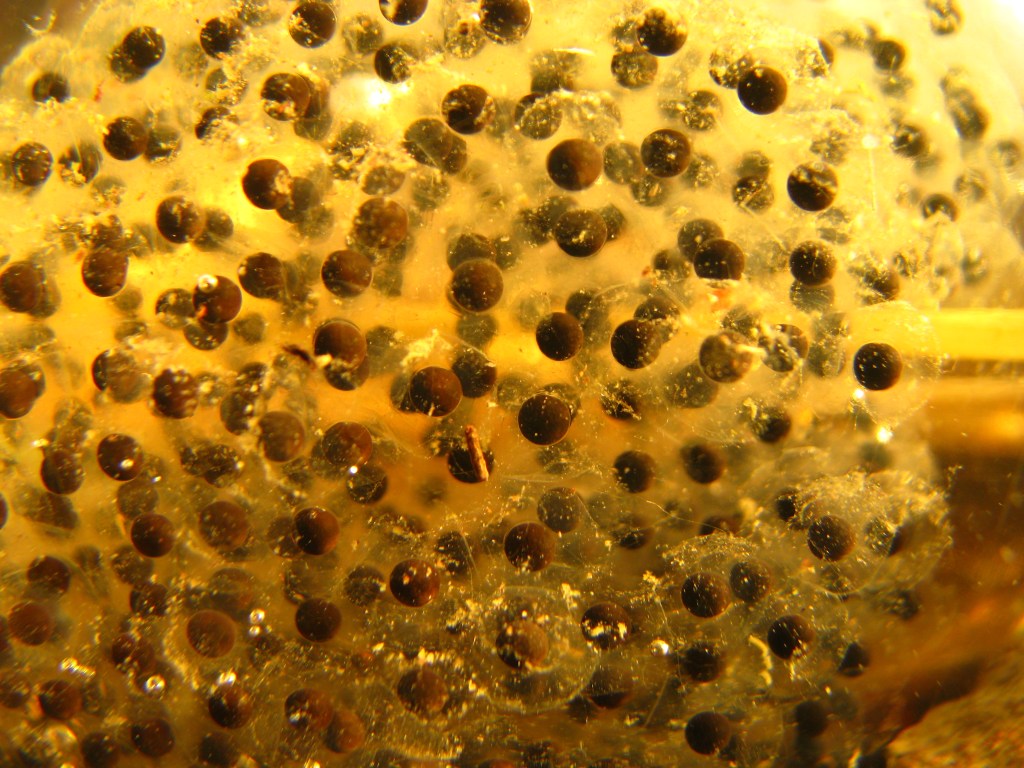
Soon ducks will begin nesting and within a few weeks there are sure to be warblers and flycatchers migrating back to these areas to nest. These wetlands are hubs of enormous amounts of life, and the bioproductivity of these ecosystems is of great significance.
This spring I have been full of anxiety over the early snow melt and quick settling of the level of water in the ponds. As an observer of natural systems and how they inform my decision making process, I would rather have full, overflowing ponds than ones that are quickly drained. I fear the ponds will not make it to early summer if we do not get rain.
The entire area surrounding us has been designed – on purpose – to “shed” the water and “move” the water “quickly” somewhere “over there,” at least “not here.” The water moves nearly completely unfiltered, to the river, to a shallow warm lake that (surprise!) suffers from massive algae blooms caused by pollution and agricultural runoff. This problem would be greatly mitigated by the protection and creation of more wetlands, slowing the water down, and using the abundance of life these systems provide to filter the water. As usual, nature has already designed the best system.
While farmers have for over a century been draining wetlands for agriculture, the contradictory logic stops me in my thinking tracks: we want to drain the water and move it…and later, we will complain when it is dry or there is a drought, that there is no water.
Nature has designed systems specifically to hold water. Even beavers are part of this process. Water is not just important to us to drink a few litres a day, it is important to all living things. Water begets life, and life begets more life. Why then, are we so eager to get rid of it?
Furthermore, I do not believe farmers in general understand the enormous consequences of this sort of land use change. Water does not fall from the sky because some deity made it so: the water must come from somewhere. Landscapes and ecosystems have their own critically important role in the water cycle. When we change lands to rush away such a precious resource only to cry when we need it, we are certainly at least the co-authors of our own misery. We cannot continue to change these landscapes and think there will be no effect. Most of what is discussed in regards to wetlands and agriculture is the nutrient cycling effects and filtering services nature provides. But large-scale, east of the Rocky Mountains, all the way to Manitoba, wetlands have been drained at an incredible rate. We are whisking our own water away, willingly.
Beyond the affects of water availability is the effect on nature. I have also witnessed the destruction and draining or filling of wetlands very close by the farm and it is painful to see a once-lush and vibrant ecosystem reduced to complete silence. This is another area where our collective actions lead to a global loss of biodiversity that, in turn affects our quality of life. I have no ability to understand why a farmer would be interested in the destruction of ecosystems as the profession is ostensibly about growing and taking care of living things.
We certainly need stronger protections and laws designed for the protection of the small amount of wetlands remaining. In my opinion, wetlands should be considered critical agricultural infrastructure. We cannot continue to erase the tiny fractions we have left scattered throughout the prairies.
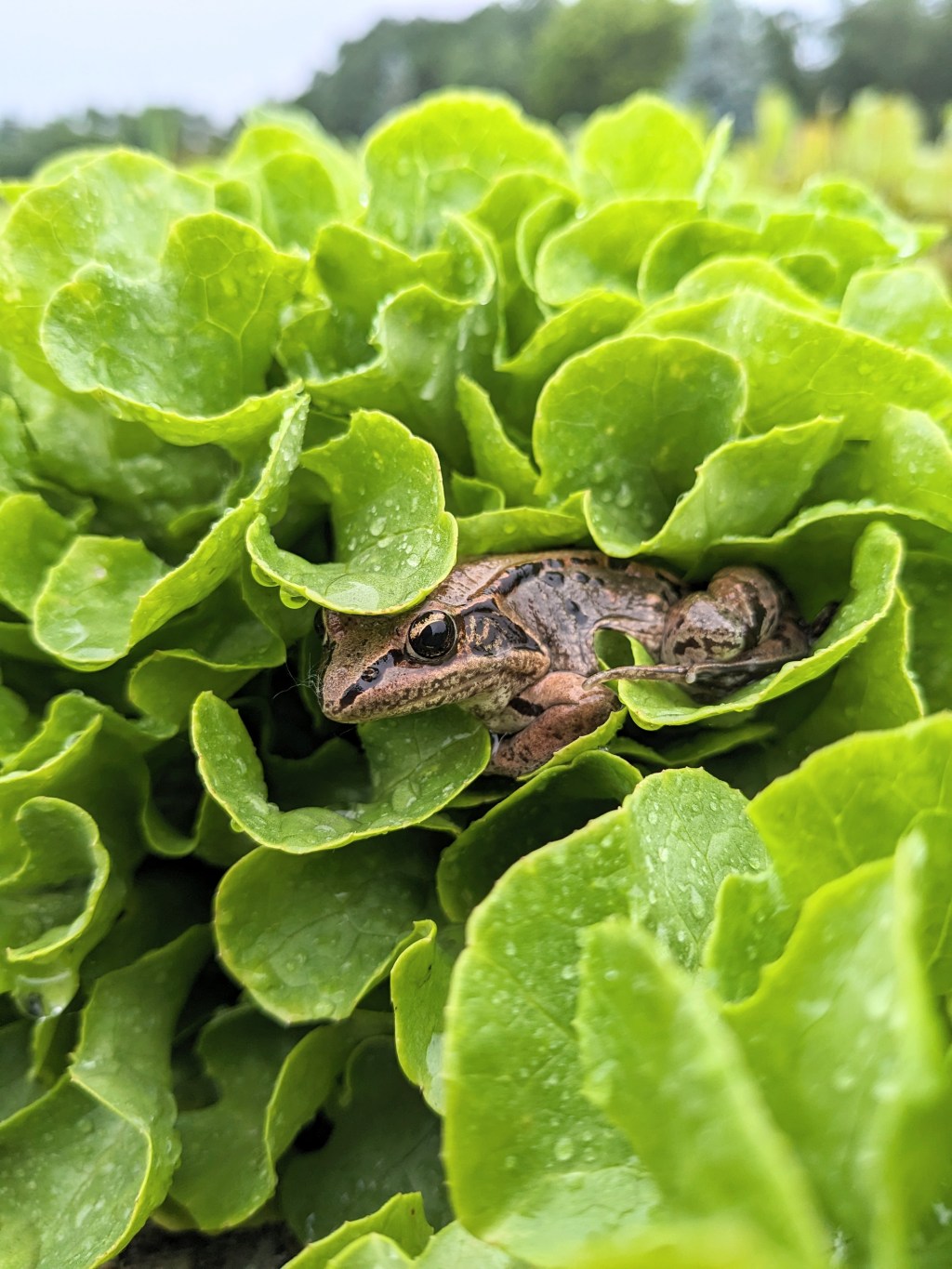
At our farm we keep our Class 3 wetlands intact (I had also applied for a grant to expand it but was turned down). As such we get to enjoy the amazing benefits and nature that it provides…from it being an important observation tool, to the incredible amount of life it provides to our garden. We benefit from all the tree swallows, barn swallows, eastern kingbirds and owls that come to eat insects and pests. We also have thousands (perhaps millions!) of frogs (3 different species plus 1 toad) that hop with every step along our bed system. You even have to look twice to make sure there isn’t frog hiding in the lettuce!
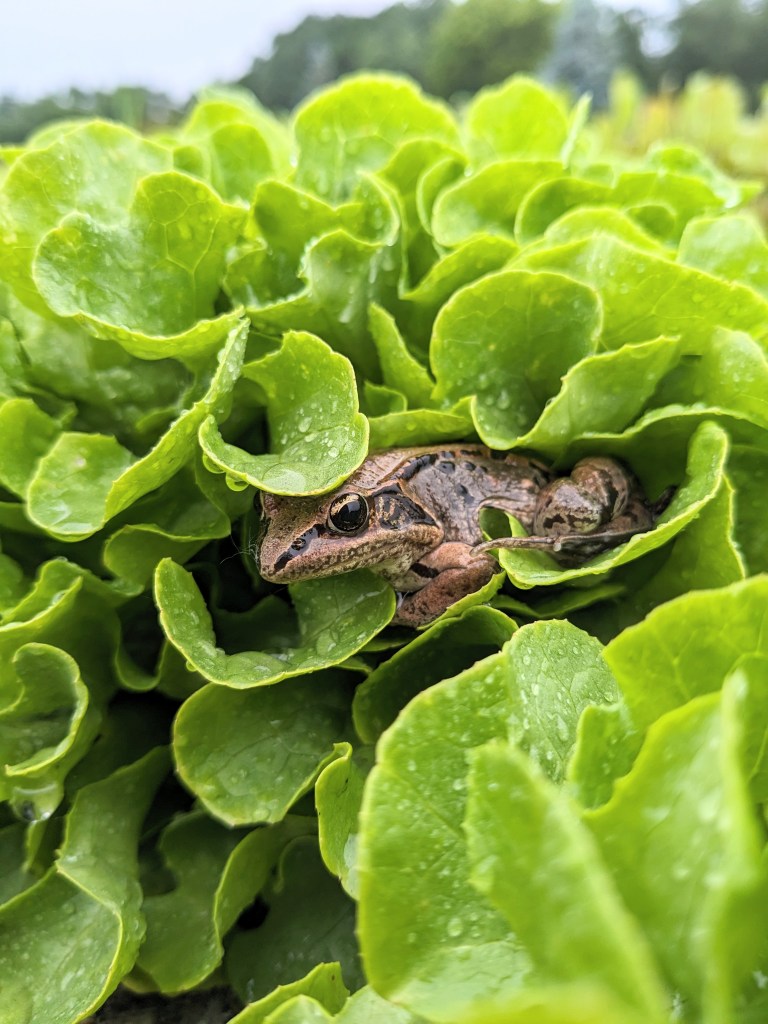
This level of life and biodiversity is, to me, a big giant sign that our agriculture is embedded within a healthy system.
It is one of the biggest things that gives me joy as a farmer: to walk back to where I work and be surrounded by this life. I believe a good farmer isn’t just one who stewards over their crops, but is a good steward for all the land they are responsible for. That means taking care of nature too, creating more space for it, adding to it, or helping it thrives. If nature wins, we all win.
After growing up the way I did, I don’t think I could ever farm anywhere that did not include a wetland.
If you would like to hear a good news story, there’s a really nice article in The Narwhal about this very subject right here in Manitoba published just a few days ago.
Stay curious…and go listen to some frogs. There are few such beautiful sounds on our world.
Graham
thanks for reading complimentary blueberry juice


 Complimentary Blueberry Juice
Leave a comment