Next year will be our 9th attempt at this…can we finally utilize the entire system? We’ve never maxed it out. (For a quick recap about where we were last season, and two seasons when we converted to 100 feet), and for this season, we had the capacity for a 58-bed system, but in practice we only used I think 52 or 53 (there were just some beds on the fringes that weren’t worth dealing with for this season).
Now that it’s time to clean everything up and put it to rest for winter, I realized at this point I have had enough experience that I could likely tailor the preparations for specific crops. The end result of this being that we wouldn’t need to move as much compost.
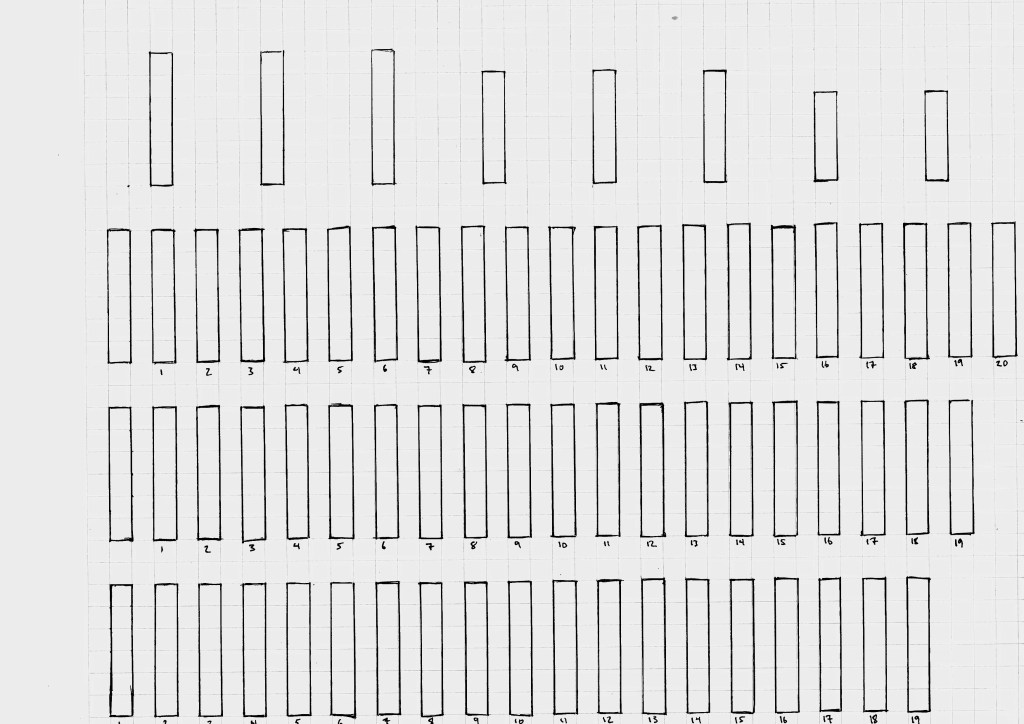
So some goals will be good. But before I get to goals I should list a few of the biggest improvements and observations from this season.
1. Moving Peppers, Eggplants, Onions and Tomatoes from the open field to the bed system. It’s been a goal for a few years now, but this year we did it, and the results were phenomenal. The biggest reason being we could water them regularly. Moreover, we realized we didn’t need so many pepper plants, tomato plants, or onions, that we could grow these things at a high level, and get big yields.
2. All of #1 can be put into one section on drip tape. We have yet to do it, but this means that we can build one single section-wide drip manifold and run it on 20 beds if we have to. Needing less plants means we can rotate within one section and be fine, and it means we can avoid watering tomato leaves and eggplant leaves and pepper leaves. It also means we can, in the future, hook up a fertigation system and be able to deliver nutrition through the summer to keep these plants pumping.
3. The Tomato Trellis. This was fantastic, post about it is here, but we had it in a section with overhead wobbler irrigation. This can be moved to the middle section.
4. Not everything likes compost. Nope. Which also means we don’t have to spread as much, and this is the main point driving this fall season’s prep considerations.
* * * * * * *
At this point I think I’ll have to do a few draft ideas of what next year’s field might look like, and move things around enough that I can get a broad-strokes idea of what needs to go where, leaving myself plenty of room to manoeuvre in the spring.
More importantly, I really want to be able to get my calcium and amendments down underneath the compost before winter. I want to be able to begin the season not having to worry about nutrition. So whatever doesn’t need it, or doesn’t need compost, needs to be considered.
It’s been a long journey with this “experimental field” and not only does it look like next season will be actually fully at capacity, but that it continues to evolve, and will continue to evolve, to meet the needs of our farm and our community. Removing crops from a dry-farming system to this biologically rich one has made all the difference in product availability and quality over the last few years.
I expect that as our knowledge of how to utilize this system, how to address nutritional issues on the fly, and having an arena in which to solve problems quickly (instead of hoping for rain) will lead to another jump in availability and quality.
Graham
thanks for reading complimentary blueberry juice


 Complimentary Blueberry Juice
Leave a comment