ecological farming
-
Shortfalls of Our Zero-Till
For a few years now we have, at the end of each season, applied a large amount of compost to our zero-till beds. Through the years we experimented with different sorts of combinations of leaves, mulch and broadforking, all in attempt to loosen up our hard clay. In general it worked. We accomplished our goals:… Continue reading
-
Starting Over
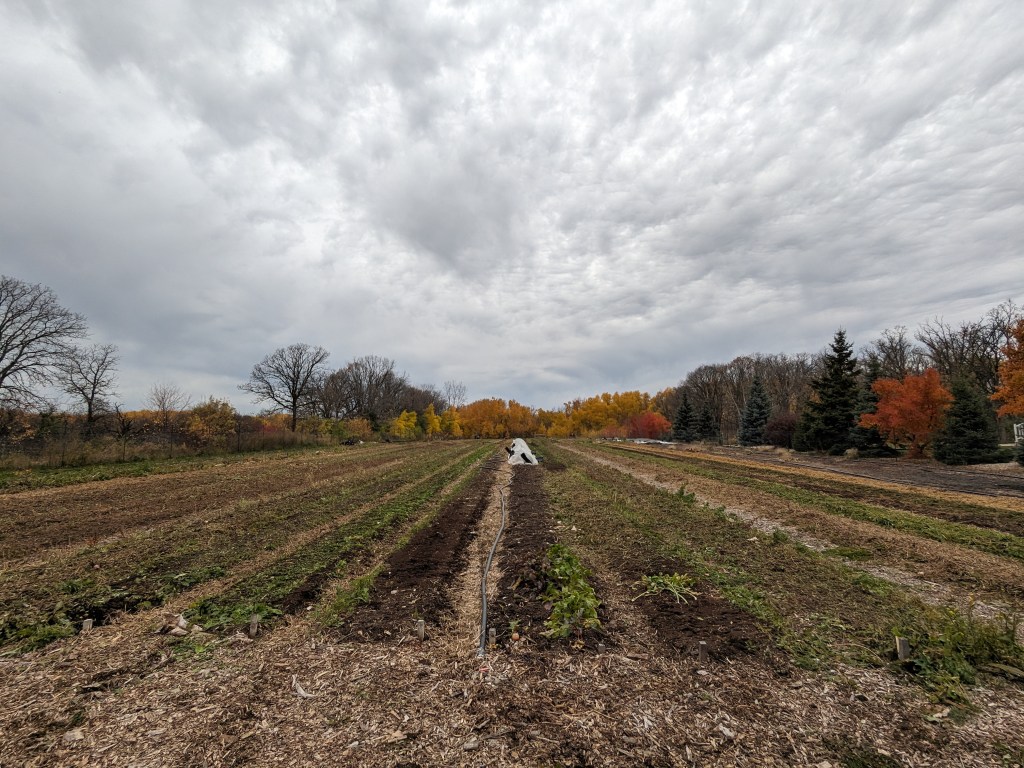
One of the best parts of farming, or agriculture, is that starting over and doing it all again is built into the process. You get the opportunity to do it all over again, bringing forward everything learned and experienced. It allows for growth, infrastructure improvements, and design efficiencies. We’ve had several years now with our… Continue reading
-
Life Finds a Way
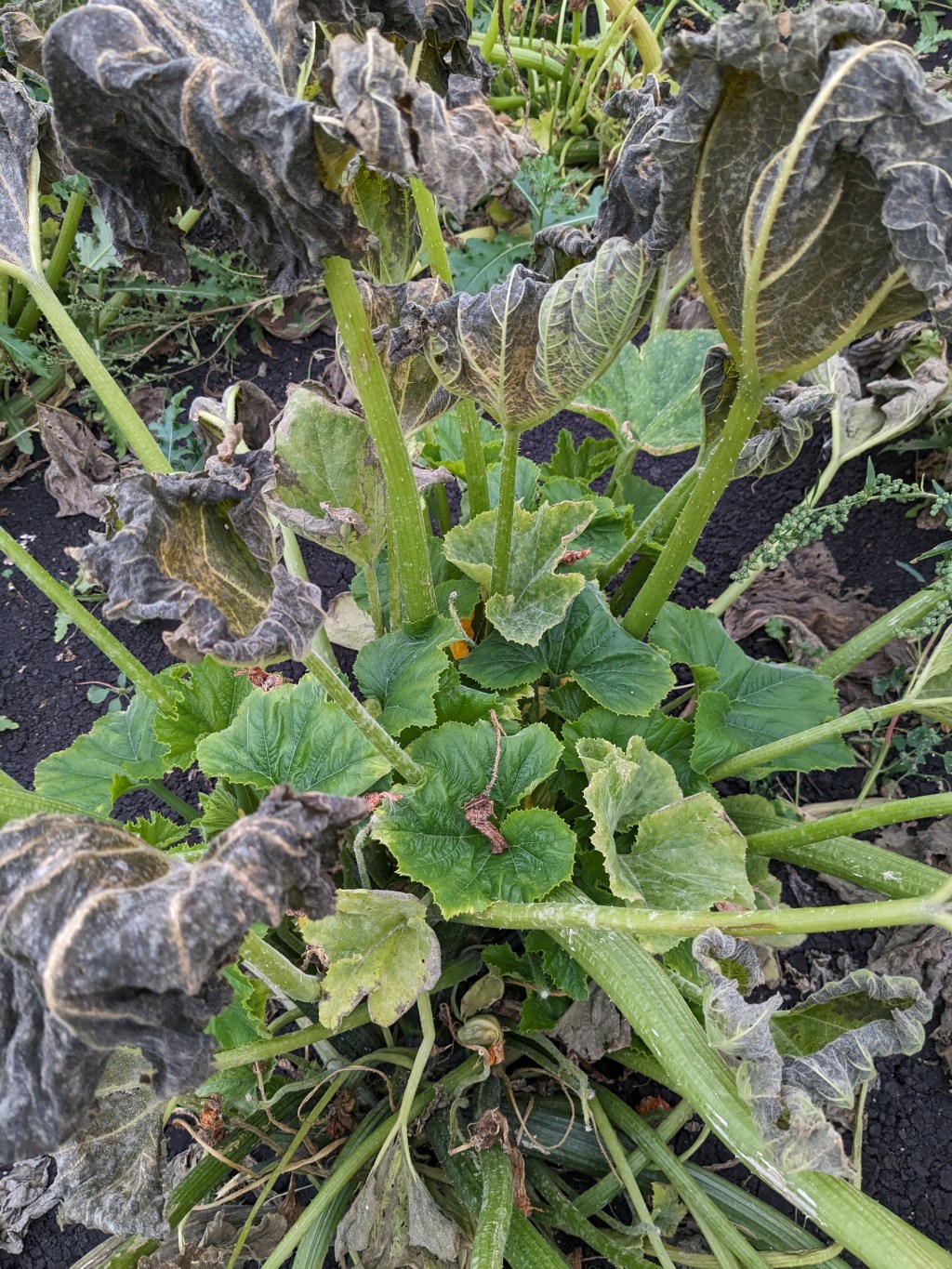
Even though we had some very light frost….not all plants are down and out, even sensitive ones. Though the top leaves of our Patty Pan Squash crop was damaged by frost, the rest of the plant was able to hang on. With some nice weather following, the plants are starting to rebound….we may even get… Continue reading
-
Trials and Errors
Regardless of how many books you’ve read, YouTubes you’ve watched, and examples you’ve heard, there is no substitute for doing the work, making your own observations, and trying again. All the theory in the world only helps us understand what we’re seeing. More often than not we are our own problem. The trick to a… Continue reading
-
Nature’s Economic Paradox
Several times this summer I have come across comments or opinions relating to fertilizers (specifically Nitrogen) on various social media platforms. Usually these comments are in the realm of needing to feed the world, the high cost of the fertilizer to the farmer, or how emissions from producing nitrogen are necessary and therefore shouldn’t be… Continue reading
-
Bumblebees Love Oregano
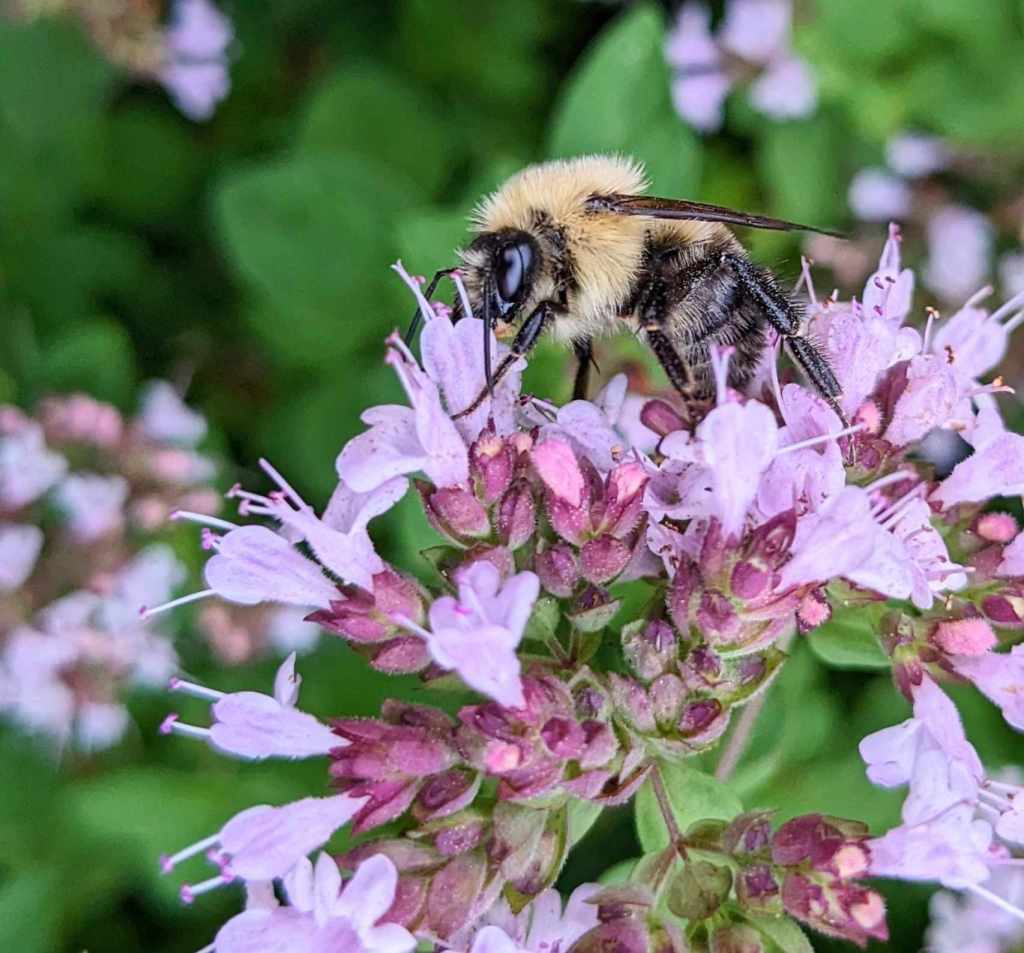
Was delighted to check on the herb garden and see an enormous amount of Bumblebees having a great time on Oregano flowers…and not just one species of Bumblebee but two. Nothing is more fascinating than watching bumblebees in late summer. They are easy to approach, and slowly walk all over each flower. Having a wide… Continue reading
-
What Ghost Pipes Can Teach Us About “Nutrients”
Recently I was lucky enough to see some Ghost Plants aka Ghost Pipe on a hike. These creatures are fascinating enough but when I got back to farming, I noticed some in my own back yard. One of the things I hear most when talking about farming is the topic of “nutrients.” The Ghost Pipe… Continue reading
-
Integrating Agriculture Back Into Communities

What does integrating agriculture with communities look like? For many, agriculture is something that happens “over there,” on a big scale, incompatible with suburban living. Perhaps there are illusions of what agriculture means: an industrial scale, huge machines, chemicals and processing facilities, waste that has to be managed, odours that have to be contained and… Continue reading
-
Combining Crops: Mushrooms and Carrots

Last year I decided to try stacking crops, and inoculated a wood chip path in-between two beds of kale with Wine Cap mushrooms, or Stropharia rugosoannulata. Mostly the trial was to see if/how they would overwinter, and overwinter they did. This week we’ve decided to dig out a carrot bed we seeded in last year’s… Continue reading
-
No-Mow for Monarch Butterflies
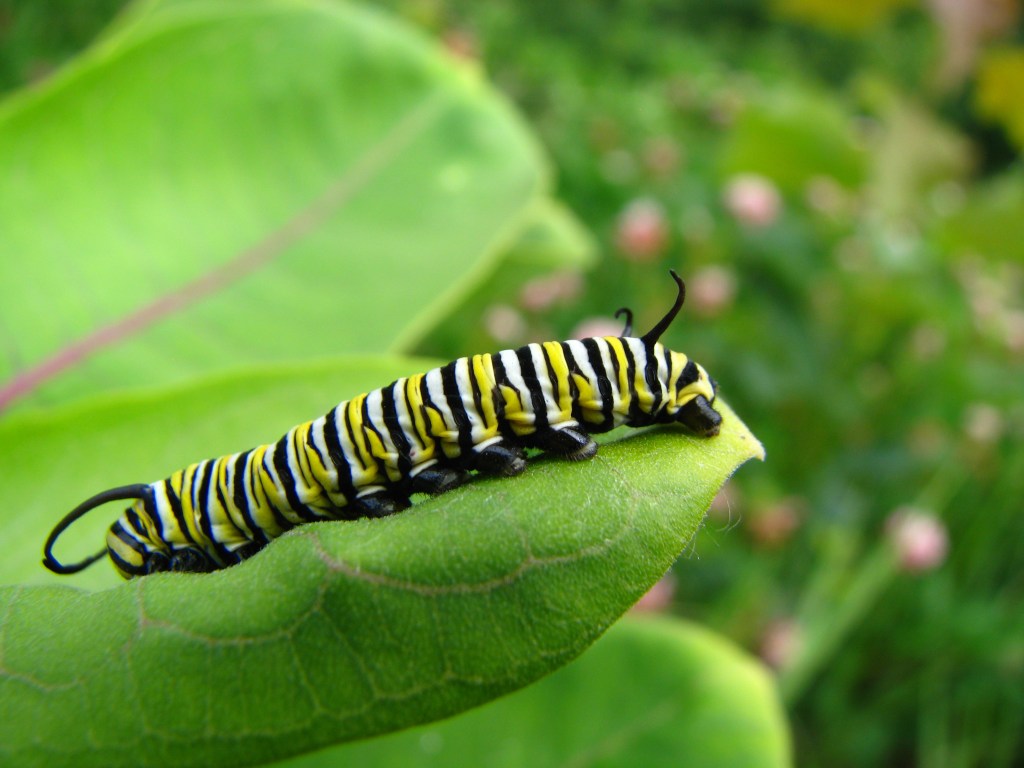
Last week was orchids, this week is Milkweed. We’ve been leaving a little stand of Milkweed on the edge of one of our fields and it is a hotspot. We aren’t going to mow this section and let the insects do insect things. The Milkweed emerging from bushy flowering clovers makes for quite a hub… Continue reading
About Graham
Graham is an ecologist-farmer from Canada working on educating about the wonders and beauty of the natural world, and how we can design biodiverse food production systems.

 Complimentary Blueberry Juice